
02:59 AM | 12 Jul 2025 | By Admin
Magic of Quiet Healing
🧘♀️ Meditation for Trauma Recovery: Healing the Mind, Gently
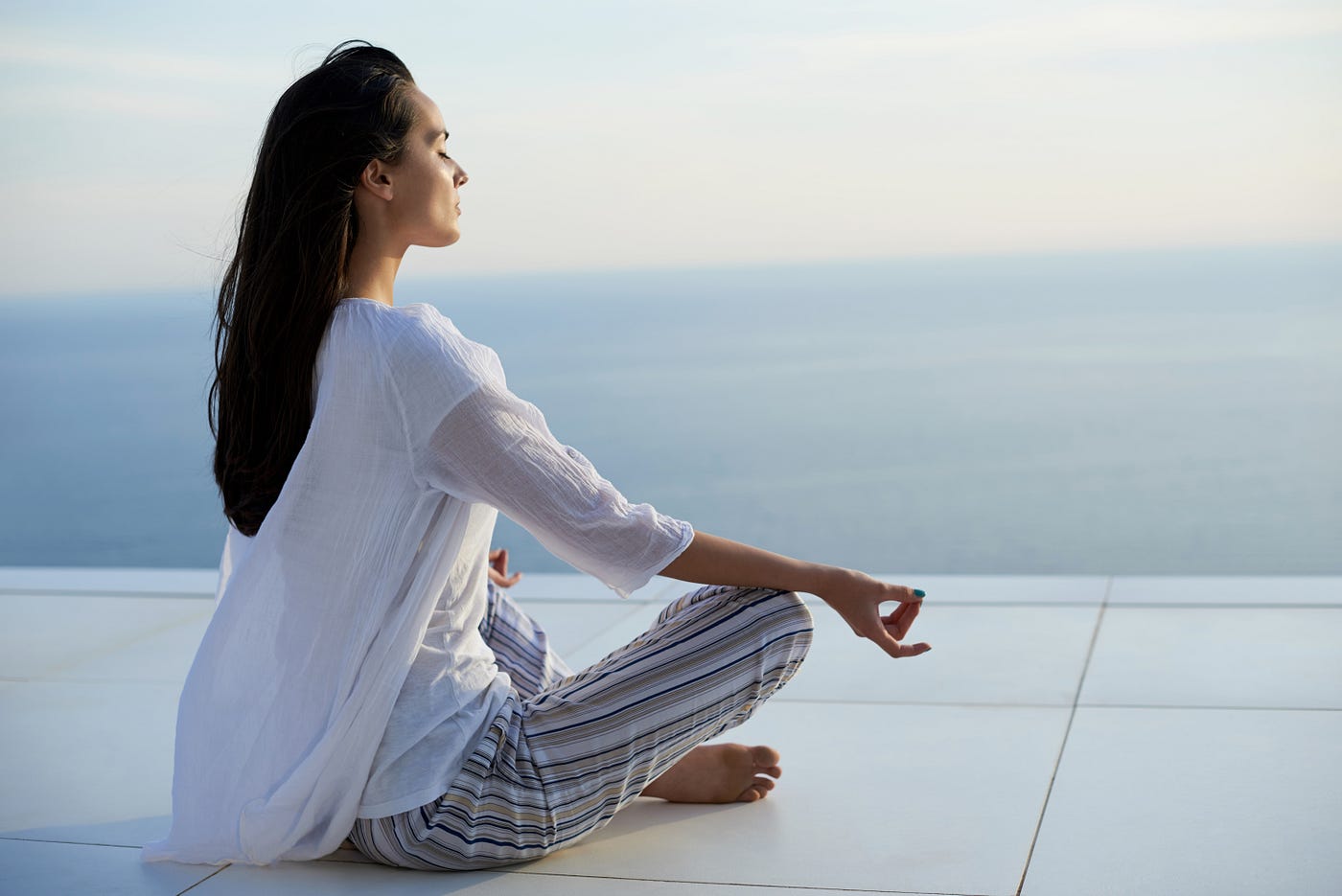
When we hear the word meditation, we often picture calm people sitting cross-legged in silence. But for someone healing from trauma, meditation can be more than just a wellness trend — it can be a gentle, powerful tool for reclaiming safety and connection within.
🌪️ Why Trauma Affects the Mind and Body
Trauma isn’t just about what happened. It’s about how our nervous system remembers it.
People who’ve experienced trauma often feel:
-
Unsafe in their own bodies
-
Disconnected from the present moment
-
Overwhelmed by flashbacks or numbing
Meditation can help — not by forcing stillness, but by creating a safe space to notice, breathe, and slowly reintroduce trust in the body.
🧠 How Meditation Supports Trauma Healing
-
Regulates the Nervous System
Trauma keeps us stuck in fight-flight-freeze. Breath-based meditations (like deep belly breathing or alternate nostril breathing) help shift the body back into a calm, parasympathetic state. -
Increases Body Awareness (Without Panic)
Mindful body scans can gently help survivors reconnect with parts of the body they may have disassociated from — at their own pace. -
Breaks Thought Spirals
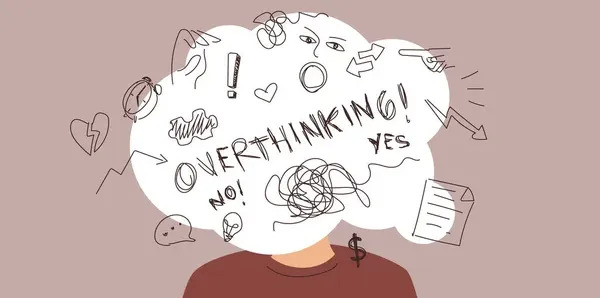
Meditation teaches us how to notice thoughts without attaching to them — crucial for interrupting trauma loops or negative self-beliefs. -
Builds Present-Moment Safety
Trauma lives in the past. Meditation helps create anchors in the now — your breath, your senses, your space.
🕯️ Types of Meditation for Trauma
Not all meditation is trauma-sensitive. Here are some of the gentlest options:
-
Grounding Meditation
Using your five senses to stay in the here and now.Example: “Notice 5 things you see. 4 things you hear. 3 you can touch…”
-
Breath Awareness (No Holding!)
Focus on your natural inhale/exhale. Avoid breath-holding or forced slowing at first. -
Loving-Kindness (Metta)
Repeating phrases like “May I be safe. May I be at peace” — starting with yourself, then others. -
Guided Visualization
Picture a peaceful place or memory. You’re in control of the scene.
⚠️ A Gentle Warning
Trauma-sensitive meditation isn’t about “clearing your mind.” In fact, some people may feel more anxious when sitting still — and that’s okay. If this happens:
-
Start with just 1-2 minutes
-
Keep your eyes open if needed
-
Use movement (like walking meditation or yoga) instead of stillness
You don’t have to force peace. You're learning to rebuild trust, one breath at a time.
💬 Final Words
Meditation isn’t a cure for trauma — but it can be a companion on your healing journey. Whether you're using it alongside therapy or exploring it on your own, remember:
“Your body is not the enemy. It's the survivor.”