

07:35 AM | 15 Jul 2025 | By Admin
The Psychology of Morning Routines
🧠 How Your First Hour Shapes Your Day
☀️ Introduction: More Than Just a Trend
Ever wonder why some of the most successful people swear by their morning routines? From CEOs to athletes to monks, their mornings often look like well-rehearsed rituals. But beyond the aesthetic Instagram posts and self-help buzzwords, there’s real psychological science behind why your first hour matters — a lot.
In fact, what you do right after you wake up can influence your mental health, productivity, stress levels, and even your sense of identity. Let’s explore how — and how you can use this knowledge to build a routine that actually serves you.
🧠 Why Morning Routines Matter Psychologically
Your brain loves structure. When we follow a routine, our brain uses less energy on decision-making — what psychologists call reducing decision fatigue. This is especially important in the morning when your willpower and mental clarity are at their peak (and fragile).
A structured morning:
-
Builds a sense of control and predictability
-
Reduces cortisol levels (the stress hormone)
-
Boosts dopamine and motivation
-
Strengthens self-discipline, which spills into the rest of your day
🕰️ The First Hour = A Mental Reset Button
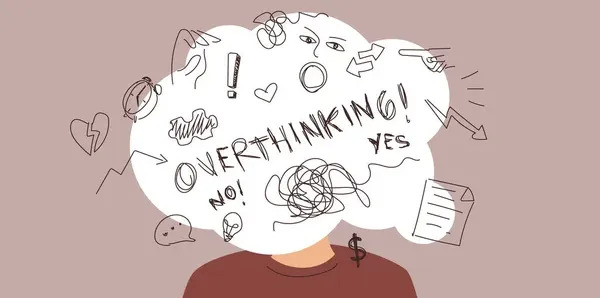
According to behavioral psychology, the first hour of your day creates a priming effect — meaning it sets the emotional tone and mental state for the rest of your day. If your morning starts with chaos (scrolling, rushing, skipping breakfast), your brain may carry that stress into every task. On the flip side, a calm, intentional start primes you for focus, optimism, and resilience.
🔄 What a Healthy Morning Routine Might Include (Psychologically Speaking)
You don’t need to wake up at 5 AM or drink celery juice to benefit. The key is consistency, not complexity. Here are science-backed activities to consider:
🧘 1. Stillness
-
Meditation, prayer, or breathwork reduces anxiety and activates the prefrontal cortex (your decision-making and focus center).
📓 2. Reflection
-
Journaling, gratitude lists, or setting intentions builds emotional awareness and lowers stress.
🚶 3. Movement
-
Light exercise, stretching, or even a short walk boosts endorphins and wakes up your body and brain.
🧃 4. Nourishment
-
A nutritious breakfast helps balance blood sugar and boosts mood regulation throughout the day.
📵 5. Low-Stimulus Start
-
Avoid jumping on your phone first thing. Too much screen stimulation early in the day is linked to increased anxiety and mental clutter.
⚠️ What Happens When You Don’t Have a Routine?
People without a morning structure often report:
-
Feeling rushed, reactive, or overwhelmed
-
Increased procrastination
-
Poor time management
-
More frequent negative self-talk
In contrast, those who maintain even a simple routine often report:
-
Increased focus and clarity
-
Lower anxiety levels
-
Greater emotional regulation
-
Stronger self-trust
🛠️ How to Build Your Own Morning Routine
-
Start small. Pick just one habit to begin with — like making your bed or 5 minutes of deep breathing.
-
Keep it realistic. A good morning routine should fit your lifestyle, not copy someone else's.
-
Be consistent. The benefits come from repetition — not perfection.
-
Adjust as needed. Life changes, and so can your routine.
💬 Final Thoughts: You Deserve a Gentle Start
You don’t need a “perfect” morning. You just need one that feels safe, grounding, and aligned with your mental well-being. Whether it’s 15 minutes of stillness or a full hour of intentional action, the psychology is clear: your first steps set the tone for your whole day — and over time, your whole life.
So tomorrow morning, before you check your phone or rush out the door, ask yourself:
What kind of day — and mindset — do I want to create?