

07:53 AM | 15 Jul 2025 | By Admin
The Silent Side of Anxiety
That’s a powerful and empathetic blog title! Here’s a complete blog post for:
🫣 Anxiety Isn’t Always Loud: The Quiet Signs We Miss
Because not all cries for help make noise.
😰 The Misconception: Anxiety = Panic Attacks
When we think of anxiety, we often imagine something dramatic:
Shortness of breath. Racing thoughts. Full-blown panic attacks.
But for many people, anxiety doesn’t look like that.
It’s quieter. Slower. Invisible.
It hides behind polite smiles and “I’m fine.”
It looks like productivity, people-pleasing, or always staying “busy.”
It whispers — it doesn’t scream.
🔍 What Is Quiet Anxiety?
Quiet anxiety is the type that simmers below the surface.
It doesn’t always interrupt your day in obvious ways — instead, it lives inside you, shaping your decisions, draining your energy, and feeding self-doubt.
Often, people experiencing quiet anxiety are the last to be noticed — and even the last to notice it themselves.
⚠️ Subtle Signs You Might Be Anxious (Even If You Don’t Feel Panicked)
Here are some signs of quiet anxiety that are easy to miss:
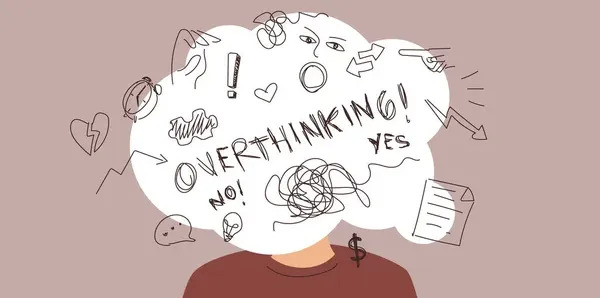
💭 1. Overthinking Every Small Thing
You replay conversations, worry about how you came across, or obsess over what might go wrong — even when nothing’s actually wrong.
😐 2. Flat Mood or Emotional Numbness
Anxiety can make your nervous system shut down into “freeze” mode. You might not feel hyperactive — you might feel nothing at all.
✅ 3. Being Overly Responsible or Controlling
You plan everything. You double-check. You triple-check. It's not perfectionism for the sake of it — it’s a coping mechanism to soothe internal fear.
🛏️ 4. Trouble Sleeping or Feeling Rested
You lie down, but your mind doesn’t. Or you wake up still tired — like your brain never stopped running.
😅 5. Constantly Needing to Stay “Busy”
You fill every second with tasks, noise, or screens. Stillness feels uncomfortable. Quiet = confrontation with your thoughts.
🫥 6. Avoiding Conflict or Saying “Yes” Too Often
You agree to things you don’t want to do. You fear being a burden. You’d rather absorb stress than risk upsetting others.
💬 7. Self-Talk That Sounds Harsh or Critical
“I’m so dumb.”
“Why can’t I handle things like everyone else?”
This constant inner critic is often anxiety in disguise.
🧠 Why It’s Easy to Miss These Signs
Because they’re masked.
Masked by success. Kindness. High grades. Responsibility. Smiles.
Sometimes, the people struggling most with anxiety… are the ones who seem the most “put together.”
🌱 What Can You Do If This Feels Familiar?
First: Be kind to yourself.
Recognizing quiet anxiety isn’t weakness — it’s awareness. And that’s powerful.
Here are small but helpful steps:
1. Pause and Name It
Start by simply noticing. “Oh — this is anxiety showing up as overthinking.”
Naming it helps separate you from your anxious thoughts.
2. Let Go of “Should”
You don’t have to earn rest. You don’t have to always say yes. Let go of the pressure to always seem “fine.”
3. Ground Your Body
Even simple things like a walk, deep breathing, or placing your feet on the ground can calm your nervous system when anxiety feels abstract.
4. Talk to Someone
Whether it’s a trusted friend, therapist, or support group — you don’t have to go through this alone. You don’t need a loud breakdown to deserve support.
💬 Listen for the Quiet
Anxiety doesn’t always raise its voice.
Sometimes, it just sits quietly in the corners of your day.
That doesn’t make it less real — or less valid.
If you feel like something’s “off,” even without the panic… trust that.
Your softness doesn’t make your struggle smaller.
It just means you’ve learned to carry your anxiety in silence.
But you don’t have to carry it alone.