

07:54 AM | 31 Dec 2024 | By Admin
Understanding Depression: Causes, Symptoms, and Treatment Options
Depression is one of the most common mental health disorders, affecting millions of people worldwide. It can impact daily functioning, relationships, and overall quality of life. In this blog, we explore the causes, symptoms, and treatment options for depression to help individuals recognize and address this condition.
What is Depression?
Depression, also known as major depressive disorder, is a mental health condition characterized by persistent feelings of sadness, hopelessness, and a lack of interest in activities. It goes beyond occasional sadness and can significantly disrupt a person’s life if left untreated.
Causes of Depression
Depression can result from a combination of genetic, biological, environmental, and psychological factors. Common causes include:
-
Genetics: A family history of depression may increase the risk.
-
Chemical Imbalances: Neurotransmitter imbalances in the brain can influence mood regulation.
-
Trauma or Stress: Major life changes, loss of a loved one, or chronic stress can trigger depression.
-
Medical Conditions: Chronic illnesses, such as diabetes or heart disease, can be linked to depression.
-
Substance Abuse: Alcohol or drug misuse may contribute to depressive symptoms.
Symptoms of Depression
The symptoms of depression vary from person to person but commonly include:
-
Persistent sadness or emptiness
-
Loss of interest or pleasure in activities
-
Fatigue or low energy levels
-
Changes in appetite or weight
-
Difficulty concentrating or making decisions
-
Sleep disturbances (insomnia or oversleeping)
-
Feelings of worthlessness or guilt
-
Thoughts of death or suicide
Treatment Options
Fortunately, depression is treatable through various approaches:
-
Therapy:
-
Cognitive Behavioral Therapy (CBT): Focuses on changing negative thought patterns.
-
Dialectical Behavior Therapy (DBT): Emphasizes emotional regulation and coping skills.
-
Interpersonal Therapy: Improves relationships and communication.
-
-
Medication: Antidepressant medications, such as SSRIs and SNRIs, help regulate brain chemicals.
-
Lifestyle Changes:
-
Regular exercise and a healthy diet can improve mood.
-
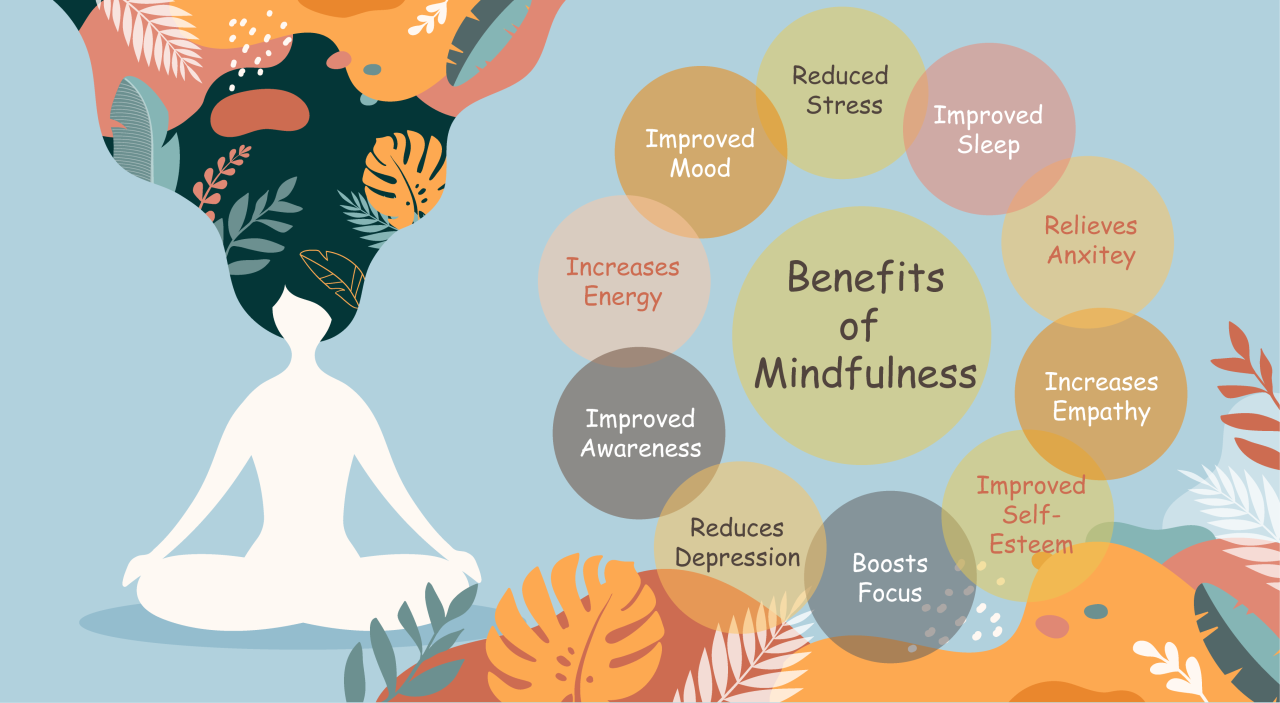
Stress management techniques, such as mindfulness and meditation, support emotional well-being.
-
-
Support Groups: Connecting with others who have experienced depression can provide encouragement and reduce feelings of isolation.
-
Alternative Therapies:
-
Yoga and acupuncture may offer additional benefits in managing symptoms.
-
Conclusion
Depression is a serious but treatable condition. Recognizing the symptoms and seeking professional help can make a significant difference in recovery. With the right support, individuals can regain control over their lives and experience renewed hope and happiness. If you or someone you know is struggling with depression, reach out to a mental health professional today.