

07:53 AM | 31 Dec 2024 | By Admin
Understanding the Connection Between Sleep and Mental Health
Sleep is a vital component of our daily lives, yet it is often underestimated in terms of its impact on mental health. In fact, research has shown that there is a significant connection between how well we sleep and our overall psychological well-being. Let’s explore how sleep influences mental health, and how mental health challenges, in turn, affect our sleep patterns.
How Sleep Impacts Mental Health
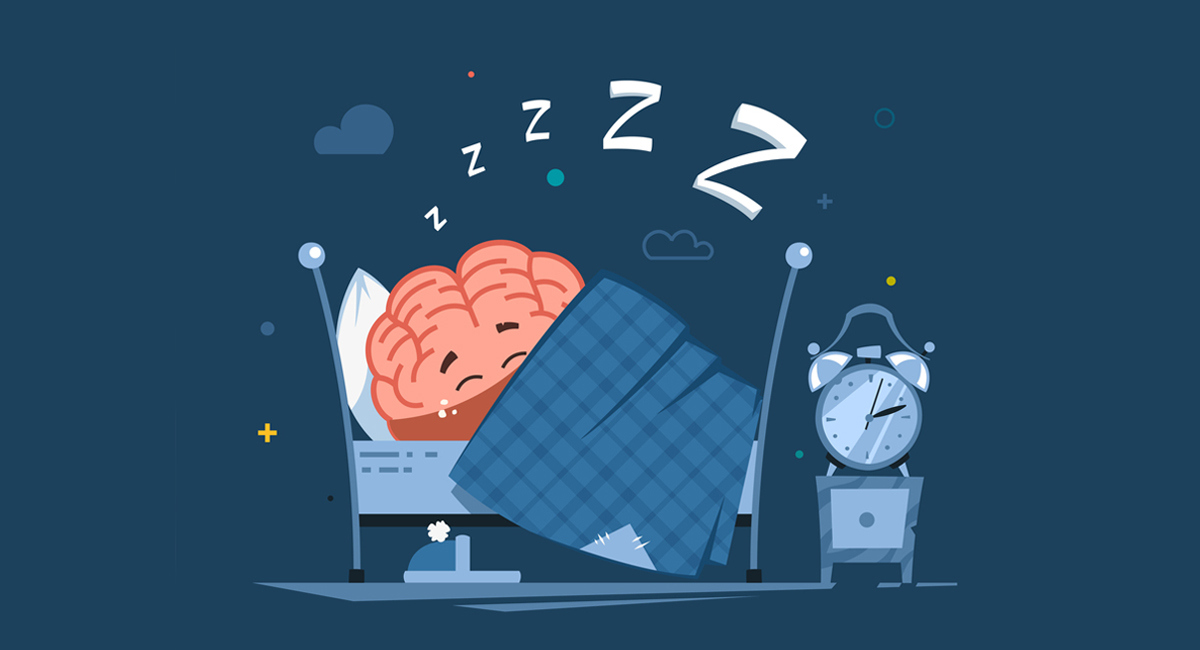
Sleep is essential for the brain and body to recover, recharge, and function optimally. When sleep is disrupted, mental health can suffer in a number of ways.
1. Mood and Emotional Well-being
Lack of sleep is often linked to mood disorders, such as depression and anxiety. Sleep deprivation can cause irritability, increased stress, and emotional instability. Studies show that individuals with chronic sleep issues are more likely to experience mood swings or even more severe conditions like depression. In fact, those who struggle with insomnia have a significantly higher risk of developing depression.
2. Cognitive Function
Getting quality sleep is crucial for memory, learning, and concentration. Sleep deprivation can impair cognitive functions like decision-making, problem-solving, and attention span. This can make it harder to perform everyday tasks and can worsen symptoms of existing mental health conditions. For individuals already dealing with anxiety or depression, the cognitive decline associated with poor sleep can feel overwhelming.
3. Emotional Regulation
Sleep plays a key role in regulating emotions. When we don’t sleep well, our ability to manage emotions becomes compromised. This can make individuals more reactive to stress, leading to heightened anxiety or irritability. Furthermore, lack of sleep can contribute to feelings of hopelessness or helplessness, which are often experienced by those with depression.
How Mental Health Affects Sleep
On the flip side, mental health disorders can also lead to sleep problems. The relationship is often cyclical—poor mental health leads to poor sleep, which in turn can worsen mental health symptoms.
1. Sleep Disorders
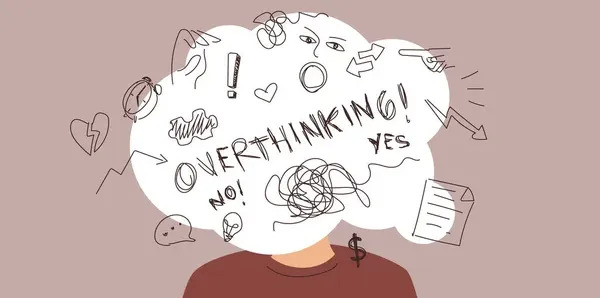
Conditions like depression, anxiety, and bipolar disorder often come hand in hand with sleep disturbances. People with anxiety might experience insomnia due to racing thoughts, while those with depression may sleep excessively. These disturbances can create a vicious cycle, where mental health symptoms worsen because of poor sleep.
2. Circadian Rhythm Disruptions
Mental health disorders can disrupt the body’s natural circadian rhythms. This leads to irregular sleep patterns, such as waking up at odd hours, difficulty falling asleep, or feeling tired during the day. Disruptions to the circadian rhythm can make it harder for individuals to establish a healthy sleep schedule, exacerbating feelings of exhaustion and mental fatigue.
Improving Sleep for Better Mental Health
Luckily, there are strategies we can implement to improve both our sleep and mental health. Here are a few tips:
1. Set a Consistent Sleep Schedule
Try going to bed and waking up at the same time every day, even on weekends. Consistency helps regulate your body's internal clock, making it easier to fall asleep and wake up naturally.
2. Create a Relaxing Bedtime Routine
Before bed, engage in calming activities like reading, meditation, or listening to soothing music. These activities can help signal to your brain that it’s time to wind down and prepare for sleep.
3. Optimize Your Sleep Environment
Make sure your bedroom is conducive to sleep. Keep it dark, quiet, and cool. Consider using blackout curtains or white noise machines to block out any disturbances. Also, avoid using electronic devices like phones or computers at least 30 minutes before bedtime, as the blue light emitted by screens can interfere with your sleep.
4. Seek Professional Help
If sleep disturbances persist, it may be time to consult a healthcare provider. A professional can help you identify any underlying mental health issues contributing to your sleep problems and provide appropriate treatment.
Conclusion
Understanding the relationship between sleep and mental health is essential for improving both. Prioritizing good sleep hygiene and seeking help when needed can lead to better mental health outcomes and overall well-being. So, the next time you’re feeling mentally drained, remember that a good night’s sleep could be just what you need to recharge.