
20:50 PM | 27 Jan 2025 | By Admin
Understanding Mindfulness: How Practicing Presence Can Improve Mental Health
🌿 Unlocking the Power of Mindfulness for Mental Wellness 🌿
In today’s fast-paced world, it’s easy to feel overwhelmed by the constant demands of life. Our minds are often racing with thoughts about the past, the future, and everything in between. But there’s a powerful tool that can help you slow down and reclaim balance—mindfulness. In this blog, we’ll explore how mindfulness can improve mental health and offer simple techniques to start your journey toward greater well-being.
What is Mindfulness?
Mindfulness is the practice of paying focused attention to the present moment. It involves observing your thoughts, feelings, sensations, and the world around you without judgment. This practice encourages you to experience life fully as it unfolds, rather than getting stuck in past regrets or future anxieties.
The Benefits of Mindfulness for Mental Health ✨
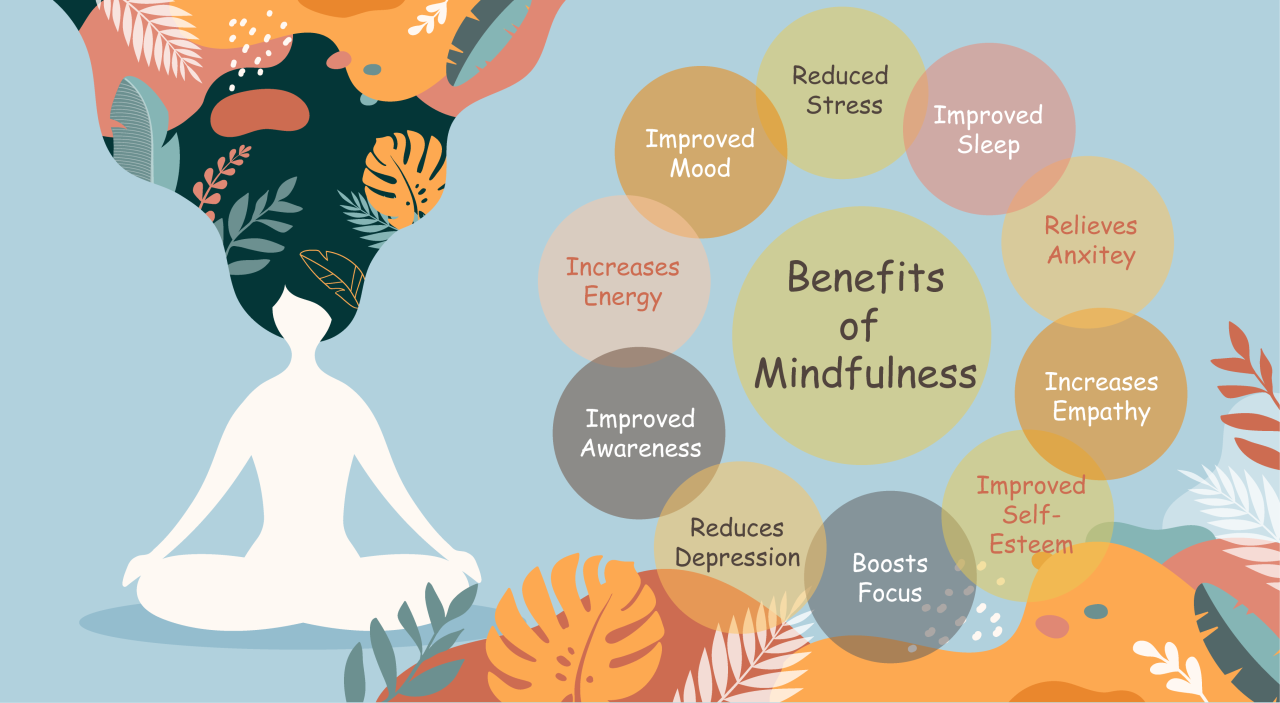
Mindfulness isn’t just about relaxation—it has a host of mental health benefits that can significantly improve your quality of life. Here are a few key ways mindfulness can enhance your well-being:
-
Reduced Stress and Anxiety
By training your mind to stay present, mindfulness helps you manage stress more effectively. It interrupts the cycle of anxiety by bringing your focus back to the here and now, preventing you from dwelling on worst-case scenarios. -
Improved Emotional Regulation
Mindfulness allows you to observe your emotions without judgment. Instead of reacting impulsively, you can pause, process, and respond with greater calm and clarity. -
Enhanced Focus and Productivity
Staying present boosts concentration. Mindfulness helps you tune out distractions, improving both your focus at work and your ability to enjoy the tasks at hand. -
Better Sleep
Mindfulness techniques, especially before bed, help calm the mind and body, making it easier to fall asleep and enjoy deeper, more restful sleep.
How to Practice Mindfulness: Easy Techniques to Get Started 🧘♂️
Ready to experience the benefits of mindfulness for yourself? Here are some simple, practical ways to incorporate mindfulness into your daily routine:
1. Mindful Breathing: Center Yourself in the Moment
- Find a quiet space and take a few deep breaths.
- Focus on the sensation of air entering your nose and filling your lungs, then gently exhale.
- If your mind drifts, gently return your focus to your breath.
2. Body Scan: Tune Into Your Physical Self
- Close your eyes and mentally scan your body from head to toe.
- Notice any areas of tension or discomfort, breathing deeply into those spots.
- This practice helps release stress and fosters body awareness.
3. Mindful Walking: Turn Every Step Into a Moment of Awareness
- Go for a slow walk outdoors, paying close attention to your movements.
- Feel each step and observe the sights and sounds around you.
- Let go of thoughts and simply be present with your surroundings.
4. Mindful Eating: Savor Every Bite
- When eating, focus entirely on the experience.
- Pay attention to the taste, texture, and aroma of the food, savoring each bite.
- This practice promotes healthier eating habits and a greater connection to the present moment.
5. Guided Meditation: Get Extra Support
- If you're new to mindfulness, guided meditations can be a helpful starting point.
- Use apps or online resources that lead you through mindfulness exercises, offering verbal cues and instructions.
- Regular practice will help you build consistency and comfort with the process.
Mindfulness in Your Everyday Life: Small Shifts for Big Results
Incorporating mindfulness doesn’t require major changes—it’s about making small, mindful shifts throughout your day. Here are some ideas to get started:
- While driving: Focus on the sensation of the steering wheel in your hands, the sound of the engine, and the rhythm of the road. Let go of distractions like your phone.
- During conversations: Truly listen to the person speaking without planning your response. Be present and engaged with the moment.
- When feeling stressed: Take a few minutes to pause, breathe deeply, and refocus on your breath. This simple act can reset your mental state.
The Bottom Line: Mindfulness Is a Journey, Not a Destination
Mindfulness isn’t a quick fix—it’s a continuous practice that helps you stay grounded in the present moment. With time and consistent effort, mindfulness can transform the way you experience life, offering profound improvements to your mental health and overall well-being. Begin with small steps and gradually build your practice to unlock the full benefits.
Remember, it’s okay if your mind wanders—that’s part of the process. What matters is that you return to the present moment, gently and without judgment.
🌿 Ready to try mindfulness? Start with one small practice today, and see how it can help you manage stress, improve focus, and enhance your mental health. You’ve got this!