
17:57 PM | 31 May 2025 | By Admin
Is Sleep the Key to a Clear Mind? 🧠
💤 Is Sleep the Key to a Clear Mind? 🧠
Come and Meet Sarah.
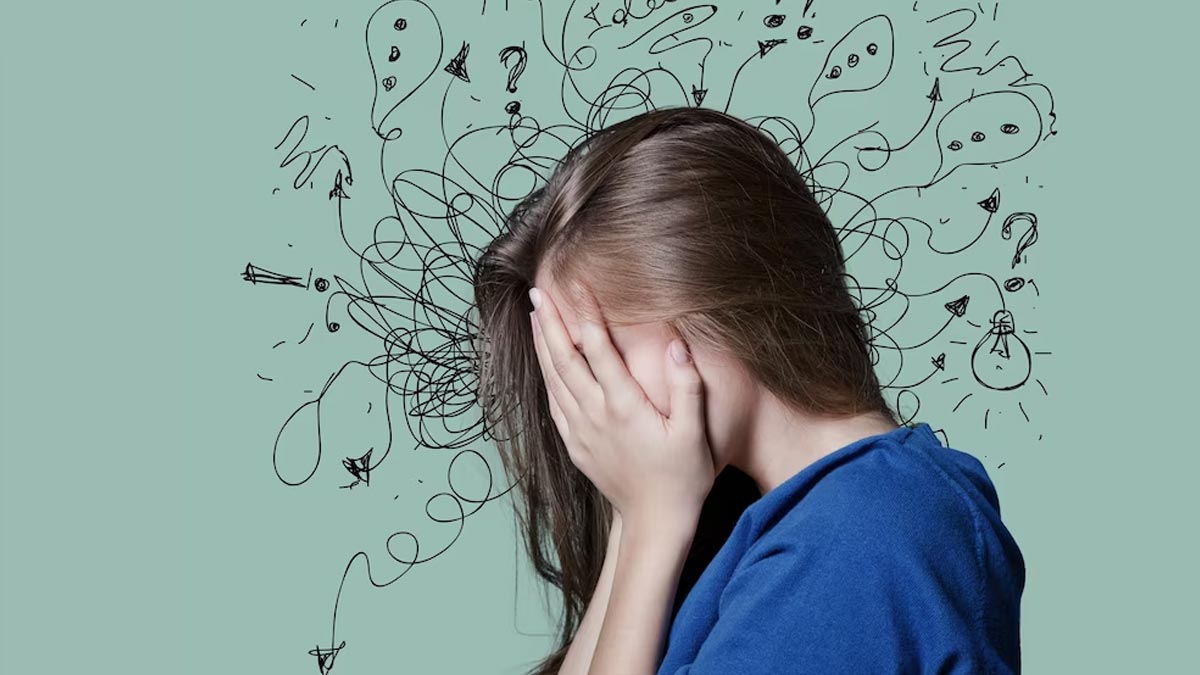
Sarah is a busy professional. Between long hours at the office and catching up on personal tasks, sleep often becomes the thing she sacrifices to get it all done. She thinks, "I’ll just get through today, and I can sleep later." But, as time goes on, Sarah starts feeling more irritable, stressed, and mentally drained. She struggles to focus at work and finds herself snapping at friends and family for no reason.
What Sarah doesn’t realize is that her lack of sleep is impacting her mental health in a big way.
Sound familiar? If you’re nodding along, you’re not alone. Sleep isn’t just about resting your body; it’s crucial for keeping your mind sharp and your emotions balanced.
🧠 What Happens When You Skip Sleep?
We all know that feeling when we’ve been up too late, but sleep deprivation is more than just feeling tired. When you don’t get enough sleep, your brain doesn’t have the chance to rest and recover, which can lead to serious consequences.
Here’s what’s happening when you’re sleep-deprived:
-
Increased Anxiety: When you're sleep-deprived, your brain becomes less equipped to manage stress, leaving you more anxious and reactive to even small challenges.
-
Mood Swings: Lack of sleep messes with the regulation of your emotions. It can make you irritable, impatient, or even emotionally numb.
-
Memory Problems: Sleep helps your brain process new information and form memories. Without enough sleep, you’ll struggle with focus and concentration.
-
Higher Risk of Depression: There’s a strong connection between insomnia and depression. The less you sleep, the higher your chances of developing long-term mood issues.
🌙 Why Is Sleep So Important for Mental Health?
Sleep isn’t just “time off” for your brain; it’s essential for its restoration. Here’s why sleep directly affects your mental health:
-
Emotional Processing: During REM sleep, your brain processes emotions and experiences. If you’re not getting enough rest, you’re less likely to manage your emotions well.
-
Memory Consolidation: Sleep allows your brain to store and organize memories, helping you recall important information when you need it. Lack of sleep disrupts this process, leading to memory problems.
-
Brain Detoxification: Sleep helps clear out toxins that build up in your brain during the day, which can contribute to brain fog and slower cognitive performance when sleep-deprived.
🌿 Simple Ways to Improve Your Sleep & Mental Health
Just like Sarah, you might feel like you don’t have enough time to sleep. But improving your sleep doesn’t require drastic changes—it’s about small adjustments that can have a big impact on both your rest and mental well-being. Here are some simple tips to help you improve your sleep:
1. Stick to a Schedule 🕒
Going to bed and waking up at the same time every day helps regulate your body’s internal clock, making it easier to fall asleep and wake up feeling refreshed.
2. Create a Calm Bedtime Routine 🌙
Dimming the lights, reading a book, or taking a warm bath before bed can help signal your brain that it’s time to wind down.
3. Limit Caffeine & Screen Time 📱
Avoid caffeine, energy drinks, and screens (yes, that means your phone!) for at least an hour before bed. The blue light from screens can disrupt melatonin production, making it harder to fall asleep.
4. Make Your Bedroom a Sleep-Friendly Sanctuary 🛏️
-
Cool the room: Keep the temperature between 60–67°F (15–20°C) for optimal sleep.
-
Eliminate noise: Use earplugs or a white noise machine to block out distractions.
-
Darken the room: Consider using blackout curtains to ensure complete darkness.
5. Mind What You Eat & Drink 🍴
Heavy meals late at night can interfere with digestion, making it harder to fall asleep. Opt for light snacks like a small handful of nuts or a banana if you're a little hungry before bed.
🏆 The Mental Health Benefits of Quality Sleep
When you start prioritizing sleep, you’ll notice some amazing changes in your mental health:
-
More Balanced Emotions: Better sleep helps you manage stress and emotions more effectively.
-
Sharper Mind: You’ll be able to focus better, remember more, and make clearer decisions.
-
Reduced Anxiety & Depression: Adequate sleep lowers the risk of developing mental health issues and can improve existing symptoms.
-
Overall Well-Being: When you sleep better, you feel better physically and mentally.
🌿 Take Charge of Your Sleep & Mental Health
If you’re anything like Sarah, it’s time to take sleep seriously. Don’t wait until you’re burnt out or overwhelmed to make a change. Start small, make sleep a priority, and take control of your mental health.
Your brain and body will thank you. 🌙