

05:28 AM | 8 Jun 2025 | By Admin
When Worry Becomes Overwhelming
Understanding Anxiety: When Worry Becomes Overwhelming
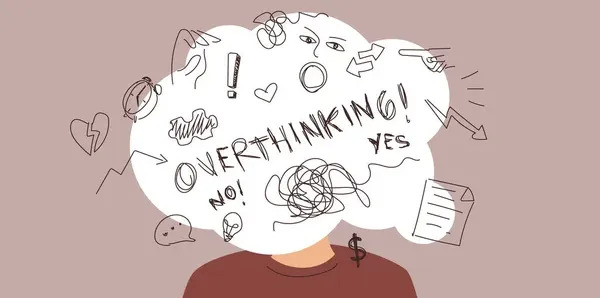
In today’s fast-paced and often unpredictable world, feeling anxious from time to time is completely normal. Before a big test, job interview, or a first date, most of us have experienced that flutter of nervousness in our stomachs. But what happens when that feeling doesn’t go away — when it starts to interfere with everyday life? That’s when anxiety becomes more than just a temporary emotion.
What Is Anxiety?
Anxiety is your body’s natural response to stress — a feeling of fear, worry, or unease about what’s to come. While it’s a helpful survival tool in small doses (keeping us alert and prepared), chronic anxiety can be harmful. When worry becomes constant, intense, and hard to control, it may be a sign of an anxiety disorder.
Common types include:
-
Generalized Anxiety Disorder (GAD): Persistent worry about everyday things.
-
Social Anxiety Disorder: Intense fear of being judged or embarrassed in social situations.
-
Panic Disorder: Sudden episodes of intense fear, often with physical symptoms like a racing heart or shortness of breath.
-
Phobias: Extreme fear of specific objects, activities, or situations.
What Causes Anxiety?
There’s no single cause, but a combination of factors may contribute:
-
Genetics: A family history of anxiety or other mental health conditions.
-
Brain Chemistry: Imbalances in brain chemicals like serotonin and dopamine.
-
Life Experiences: Trauma, abuse, or prolonged stress can trigger anxiety disorders.
-
Personality: Some people are naturally more prone to worry.
Signs and Symptoms
Anxiety affects people differently, but common symptoms include:
-
Racing thoughts or excessive worry
-
Restlessness or feeling “on edge”
-
Difficulty concentrating
-
Sleep problems
-
Fatigue
-
Physical symptoms like headaches, stomachaches, or a fast heartbeat
Managing Anxiety
The good news is, anxiety is treatable. Some people benefit from professional support, while others manage symptoms through lifestyle changes. Common approaches include:
1. Therapy
Cognitive Behavioral Therapy (CBT) is one of the most effective treatments. It helps individuals identify and challenge negative thought patterns.
2. Medication
In some cases, doctors may prescribe anti-anxiety medication or antidepressants.
3. Self-Care Practices
-
Exercise: Releases endorphins and reduces tension.
-
Mindfulness & Meditation: Helps anchor the mind in the present moment.
-
Sleep: Aim for 7–9 hours of restful sleep each night.
-
Nutrition: A balanced diet can impact mood and energy levels.
4. Limit Caffeine & Alcohol
Both can increase anxiety symptoms in some people.
You’re Not Alone
One of the most important things to remember is this: you’re not alone. Anxiety affects millions of people worldwide, and there is no shame in seeking help. Whether it’s through talking to a therapist, opening up to a friend, or simply learning more about what you’re feeling — every step you take is progress.
Final Thoughts
Anxiety isn’t a weakness, and it’s not something you just “snap out of.” It’s a real, complex condition that deserves understanding and care. If you or someone you know is struggling, reach out — support is always within reach.